
Park Landscape
Park Landscape Fog
Suitable for daytime fog ambience along walkways, planting zones, and rest areas.
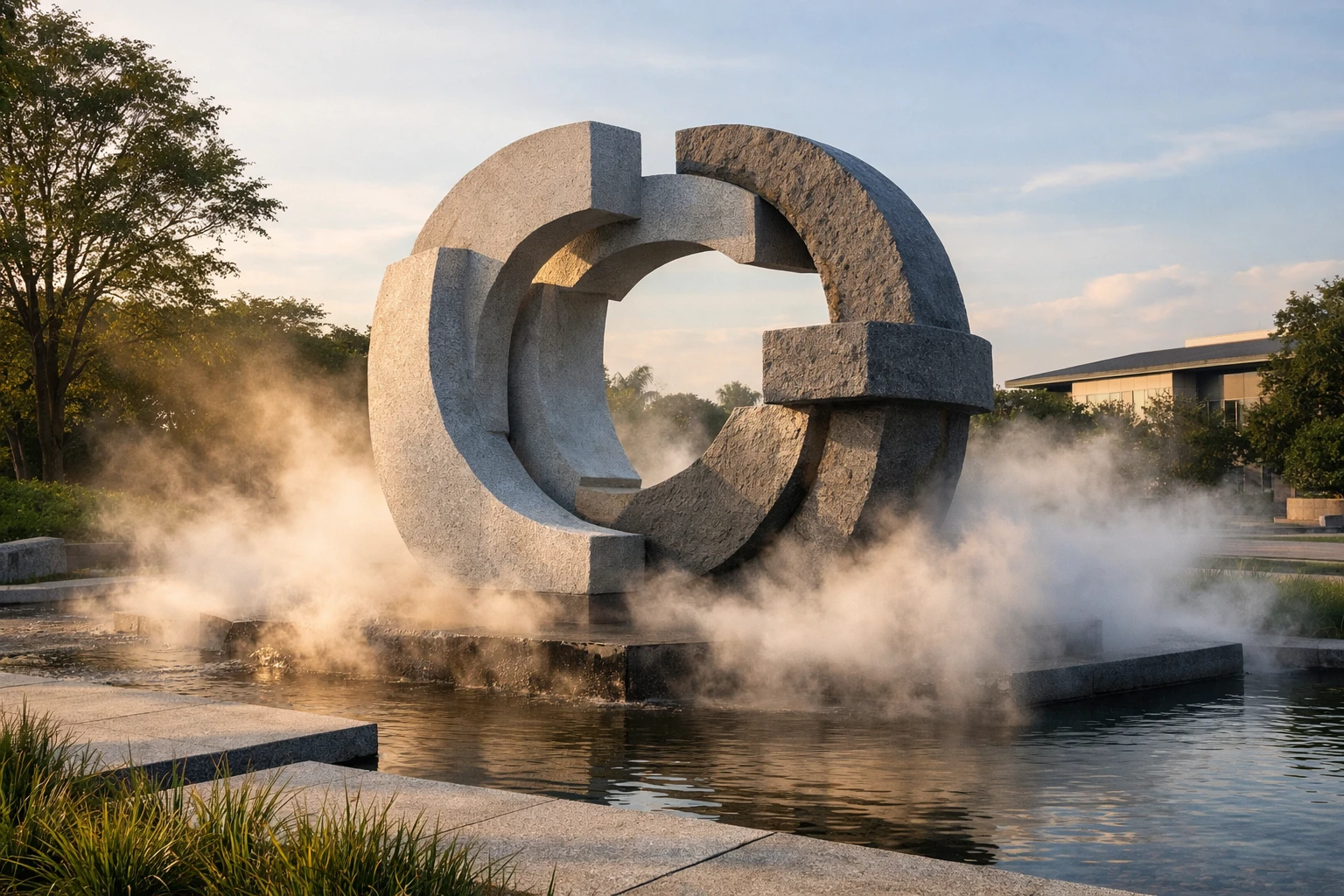
Artistic mist installations must look great and remain safe and stable. We build exhibition-grade fog/misting systems with controllable density and rhythm, discreet integration, and maintenance-ready engineering for parks, galleries, festivals, and commercial venues.
The goal is consistent visual experience across changing light, wind, and site constraints.
Near sensitive pieces or equipment, we design for non-contact, avoidance, and protection.
Fog variation can be part of the art—within controllable bounds—synchronized with lighting or schedules.
Increase dwell time and photo appeal while keeping circulation and maintenance practical.
We hide piping and cabinets within landscape elements while keeping service access.
Artistic fog projects are not just about visible mist. They depend on atmosphere, circulation, structural integration, and day-night presentation. Parks, exhibitions, walkways, and interactive plazas need different fog expressions, so the cards below show representative applications. Every card can autoplay and open in a lightbox.
Suitable for daytime fog ambience along walkways, planting zones, and rest areas.
Integrates with lighting, installation structures, and nighttime ambience for immersive effects.
Ideal for trail entrances, scenic sections, and shaded circulation routes.
Works well for family interaction, plaza dwell time, and summer water-feature experiences.